It’s hard to believe that it’s only been a month since PlayStation announced the end of physical discs for new games starting in January 2028. After all the backlash from millions worldwide, the concerns about video game preservation, and the questions about what this means for the next generation of consoles, there was initially only silence.
Then came apathy, as the publisher went about its business as usual, advertising the FlexStrike fighting stick (since delayed to an unknown date), and upcoming titles like Marvel Tōkon: Fighting Souls, Marvel’s Wolverine and even Laufey, which received a release date. There’s even that new trailer for Zack Cregger’s Resident Evil that admittedly looks pretty slick, if not entirely Resident Evil-y.
But there’s a near-constant barrage of comments against the company’s policy, whether on Twitter, YouTube, or whatnot. A demand for physical discs, regardless of whether the games in question, like Wolverine and Laufey, are already confirmed to have physical releases. I haven’t seen every single comment out of the currently 7,000 or so on the latest story trailer for Insomniac’s latest, but amid all the scrolling, I think there were maybe two comments that had nothing to do with physical discs.
Regardless of the side you fall on, it’s a constant barrage showing no signs of slowing down, which has infested just about every new tweet and trailer uploaded on the PlayStation channel. Small third-party indie game? Triple-A blockbuster? Character Guide? Nothing is spared.
Various analysts say that PlayStation anticipated this backlash, to the point that, according to former Sony Santa Monica writer Alanah Pearce, it’s allegedly issued its strictest media guidelines yet. And that information apparently comes from those within PlayStation Studios itself. Sony knew it would get so bad to the point where a response, any response, would not help, and so it chose to remain apathetic. Not even a cliched “Let them eat brioche.” Just silence.
And depending on who you ask, it’s because discontinuing physical games is a foregone conclusion for the company. Chet Faliszek, who wrote Left 4 Dead and Portal, says it bluntly: “You, the consumer, have made a choice, and your choice is for digital. You as the consumer have forced the large corporations’ hand, and you’ve told them ‘Stop with retail.’ You should have started protesting Game Pass, and stop buying Xbox games, and stop buying digital. But you didn’t, because it’s easier.”
That last point is all the more noteworthy because it did in fact stop Xbox from shipping the complete game on its discs. Even recent releases like Halo: Campaign Evolved require downloading the day one patch upon first booting the game before you can even play offline. Far be it from this being a new practice – as we’ve pointed out before, even games like Crimson Desert can’t be played from the disc without a patch.
Others, like former Rockstar co-founder Dan Houser (in an interview with IGN), have been more neutral, not personally caring about physical games, but believing that “if people want that, I think companies should provide it.”
One good example of this is the limited physical edition for Mortal Shell 2. It sold out on PS5, exceeding publisher PlayStack’s expectations. Even if this isn’t as widely available as a standard physical release, surely it proves that even limited editions have a market, and that Sony shouldn’t abandon discs entirely.
Alas, the powers that be probably aren’t looking at such niche scenarios. It’s also likely not looking at sites like DoesItPlay.org, which keeps track of physical releases and whether they’re completely playable offline. On the PS5 side, a whopping 66 percent of titles don’t require a download at all for the optimal experience, while an additional 17 percent maintain the core experience, even if it would benefit from a day one patch. Granted, this doesn’t encompass every single PS5 title in existence, but 790 entries is no small number either. And you can probably forget about PlayStation considering the used games market, reportedly valued at about $7.5 billion last year, especially with how the industry has been combating it for decades at this point.
So what is it looking at? Probably the latest data from Circana, which pointed out how video game spending on physical discs in the United States has been on steady decline – going from a whopping $11.9 billion in 2009 to $1.6 billion so far this year. Believe it or not, the latter actually increased by three percent in the last 12 months ending May 2026 – quite some time before Sony made its announcement.
“Yes, physical currently matters far more in some places than it does in others, and digital isn’t a great option in some places,” says Circana’s Mat Piscatella. “The console manufacturers know all that.” Another interesting set of figures – during the week ending July 11th in the US, only two PlayStation titles sold more than 10,000 physical copies. In this year so far, only seven titles have sold over 100,000 physical units. And if they managed those figures, imagine the millions who bought them digitally.
All this, coupled with its apparent social media strategy, is enough to make you think that PlayStation doesn’t care. Do the benefits outweigh any potential negatives? Is an all-digital future really the way to go? It doesn’t matter because what’s done is done, yada yada, so on and so forth. Or is it?
No matter what direction the industry has been trending, PlayStation’s vision isn’t without flaws. Look no further than the recent PlayStation Network outage, which affected everything from the PlayStation Store to games that required multiplayer. Do the majority of players care that the root cause of these issues is Amazon Web Services’ servers? Or are they more concerned that they can’t experience the Marvel Tōkon open beta for hours on end?
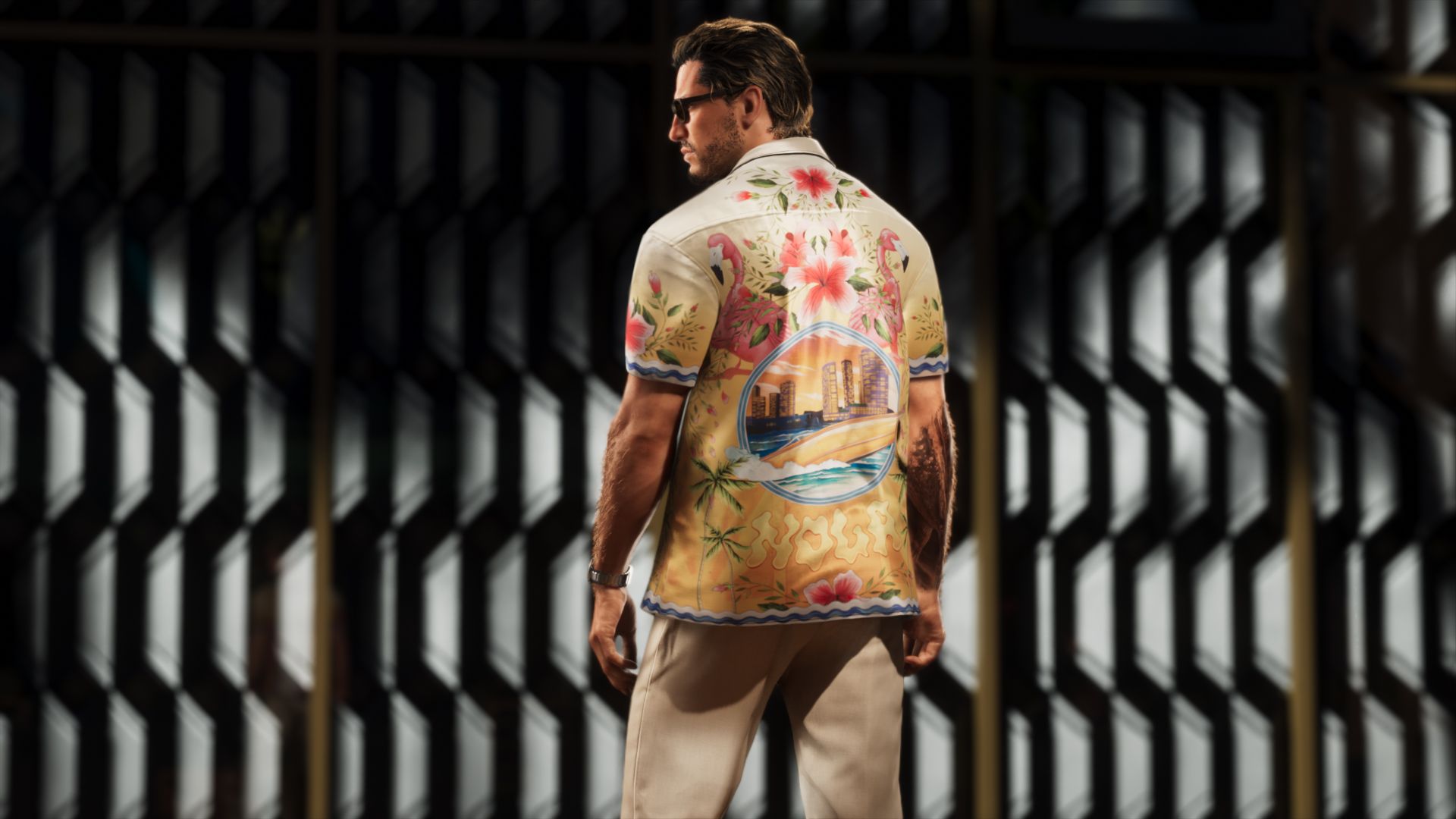
I’ll leave you to decide the answer. But what happens in an all-digital future where such outages become more commonplace? Hell, what about later this year when Grand Theft Auto 6 launches? Given that it’s inherently digital, even if you buy the physical version, what happens if Rockstar maintains its pre-order momentum and, at a minimum, 37 million players try to pre-load the game a week before launch? Even if things are stabilized by launch, who’s to say the online infrastructure will hold up for the potential tens of millions more players in the first week?
At this point, you could look at it as neither side willing to budge, but I think PlayStation has already moved on. Like a breakup that only it knew about and which happened years before fans finally felt the effects. And as corny as it sounds, the fact that it knew there would be such significant backlash and carries – regardless of whether it goes away today, tomorrow, next week, next year or never – is a sign of the times.
Maybe it really won’t matter to the majority when the PlayStation 6 is announced and costs almost $1000 because the graphics are so pretty, and it runs Grand Theft Auto 6 in native 8K at 120 FPS. It may not even matter to that same subset of people when Intergalactic gets its first gameplay deep dive and looks fantastic, irony of a far future with physical music discs notwithstanding.
Because as far as PlayStation is concerned, as long as millions upon millions continue buying games on the store, purchasing consoles and subscribing to Plus, everything is fine, even as the garden’s walls close ever tighter.
Note: The views expressed in this article are those of the author and do not necessarily represent the views of, and should not be attributed to, GamingBolt as an organization.