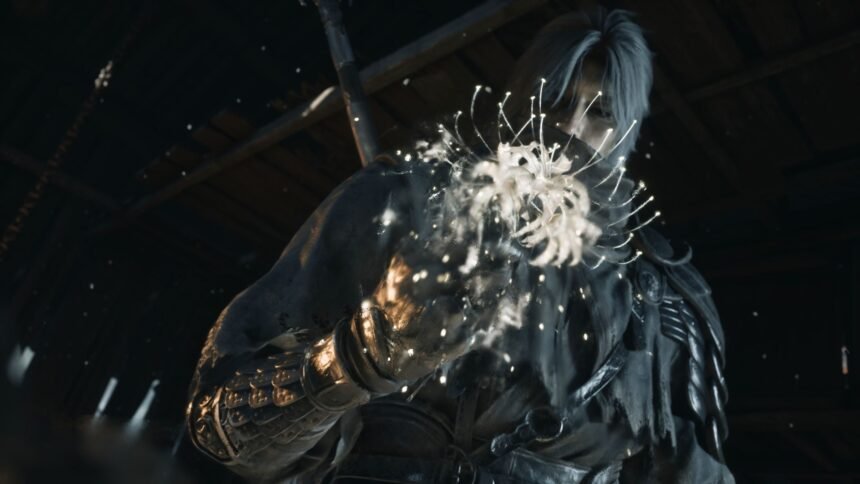
Time is a curious thing. For many, including the residents of the Wulin, it can feel fleeting and simply not enough to accomplish everything. However, it may also feel like a weight, setting them down a path of hatred, pride, or desperation. For Soul, Phantom Blade Zero’s protagonist, it can be both, or neither, because as restrictive or heavy as his remaining time feels, he has a task to accomplish, even if the only way out is through everything else.
On the surface, S-Game’s gorgeous hack-and-slash action RPG felt like just that, and little else. It’s been over three years since its announcement, even longer since the team started development, and there’s been no small amount of hype. Even if it felt hefty at first thanks to weeks of waiting feeding into already-high expectations, it all melted away as I dove in. Whether it’s remembered for its stunning visuals, both the artistic craftsmanship and technical fidelity that go hand-in-hand, or its excellent combat, some of the finest in gaming yet, Phantom Blade Zero is a fantastic experience.
The story is simple enough: Soul, formerly an assassin for the shadowy Order, is framed for the murder of his master. After suffering what should be a fatal wound, he accepts the Tainted Heart from the Flesh Sculptor – who happens to be around conveniently enough – and only has 66 days to live. Meanwhile, the Order is after him for what’s essentially treason. Other assassins and old friends alike pop up to put him down, even as some question whether he actually did it.
“Past the initial hours, exploration opens up tremendously, going from relatively smaller-scale locations to winding streets, expansive waters and sprawling camps.”
But surprisingly, that’s not the precise vibe that the plot kicks off with. When Soul enters the Weeping Creek Valley, he sees the fallout of a mysterious phenomenon and Maskwalkers, former humans who underwent Transcension to awaken latent powers at the cost of their sanity. The Mandate, which the Order previously teamed up with, is on the brink of collapse. Most ordinary citizens have perished in the chaos, and it’s all the rest can do to keep it together. Contrary to the story of a chivalrous vigilante righting wrongs left and right like a typical wuxia, it presents more than a few moral dilemmas for the outwardly gruff Soul. However, it also informs his new sense of freedom. Embarking on side quests and exploration doesn’t really cut away his remaining lifespan, at least on the three available difficulties, but we’ll get to that later.
As exciting as its opening scenes and bosses, the story and overall pacing take some time to kick into gear. You’re fed snatches of history, learn more about the Maskwalkers, and focus on finding a way into Pangzhen. It can feel like you’re on the periphery of it all, especially when reading about the lore of various characters and their deeds, tales of heroism, betrayals, and more. It’s intriguing but still fairly esoteric at this point.
Weeping Creek Valley and Crimson Forest, the first two regions, are solid enough in laying out content and easing players into the experience. By this point, you may think exploration is fairly straightforward, especially with keys and cranks located not too far from where they need to be used. I’ve played these games before, and they tend to peter out before long. Fortunately, S-Game is well-versed in escalation.
By the end of the latter and after entering the Village of Lu, the various plot threads start to connect. Suddenly, the decisive battle between the Order’s elite and the Maskwalkers’ heavy hitters doesn’t feel so clean-cut. And while there’s still a lot to juggle, what with the Thread-Binding Sect, the Discordance, Transcension, the Kunlun Pillars, and whatnot, it all starts neatly unraveling and even ties into the boss fights beyond the usual lore drops. While the overall quality of the storytelling and dialogue won’t rank near the all-time greats, it’s still far from throwaway and genuinely compelling, especially as you learn more about the Wulin and its many tragedies.
Past the initial hours, exploration opens up tremendously, going from relatively smaller-scale locations to winding streets, expansive waters and sprawling camps. Suddenly, not every key is within throwing distance, as some gates will remain locked for hours. Phantom Edges are required to unlock other routes and open up entire new areas. You’ll run around areas, trying to figure out where to go next, with Soul’s supernatural objective-sensing ability sometimes turning up cold. The only way forward is to dive headlong, unsure what you’ll find next.
“The basics are easy enough to grasp: Light attacks generate Sha-Chi, your meter for unleashing Heavy Attacks and Specials, which also drains when blocking damage.”
One particular experience took me to the basement of a massive Sha-Chi Tower to face a fire-blade-wielding foe against an impressive backdrop. Initially, I was disappointed that this massive, intricately detailed space wasn’t utilized for much more. That was before I discovered the actual rest of the tower, chock-full of new threats and winding paths.
As odd as it felt in the opening hours to retread familiar ground and not fight respawned enemies, the pacing really shines in the larger locations and with the extensive side content on offer. The feeling of discovery and finding something interesting and fresh is something that Phantom Blade Zero is frighteningly well-versed in. Even when enemy variety occasionally waned, new variants or twists on familiar encounters emerge, thus keeping things fresh (and occasionally frustrating, but never in a cheap way).
Of course, this is also where we must discuss Phantom Blaze Zero’s excellent combat. The basics are easy enough to grasp: Light attacks generate Sha-Chi, your meter for unleashing Heavy Attacks and Specials, which also drains when blocking damage. Perfect parries and Phantomsteps won’t diminish your Sha-Chi, so aggression is encouraged.
However, it opens up in some incredible ways, starting with weapon swapping, as you transition from single-handed sword slices to dual-blade flurries. One of my favorite combinations involved a pair of dual blades that could build corrosion on an enemy, eventually exploding to deal raw damage to their health, then switching to a two-hander that’s best at charging headlong into enemies, sending them flying at the end. And then back, keeping the combo going as long as possible, because weapon swapping immediately restores your Sha-Chi. And that’s before mixing in Phantom Edges, each with unique combos and functionality, whether it’s summons or the good ol’ dual sickles on chains to pull enemies (or you towards them).
Every single weapon, primary and secondary, is unique. The Outlaw Warblade quickly became a favorite for its life-stealing properties, but I was also mystified by the flying sword that tore through enemies at range. One particular set of dual blades, White Serpent and Crimson Viper, lets you set the second blade to orbit Soul, continuously damaging enemies.
However, you can also throw it from afar for quick chip damage, or alternate light and heavy attacks continuously for an extended combo for ever-increasing damage. Primary weapons also benefit from special attacks that can either turn the tables on multiple enemies or offer some incredible utility when you need it. You probably wouldn’t think it’s satisfying every time to sink a two-handed blade into an enemy and watch them fall to their knees as you drain their very blood to replenish your own. And you would be wrong, because every single time, Phantom Blade Zero makes it look good.
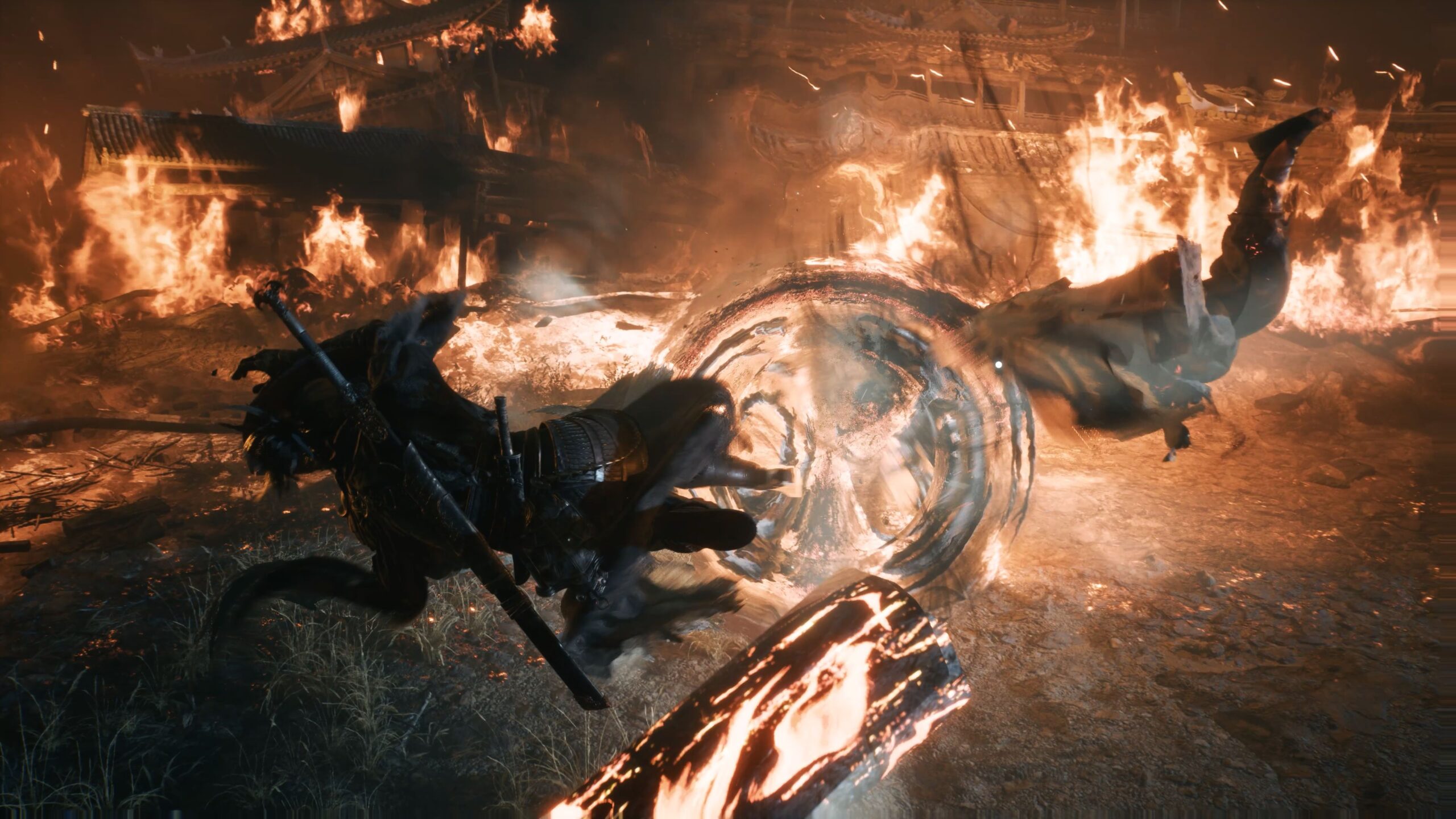
“Barring maybe one that felt like a regular encounter scaled up (and with more mobs), every boss in this game is memorable, escalating in quality and sheer audaciousness.”
There are even worthwhile options for the defensive-minded, whether it’s sacrificing parrying altogether for blocking or specializing in counter-attacks. Combine this with unlockable passive talents like increased damage when interrupting an enemy’s attack, reduced weapon-swap cooldown and accessories that either buff specific weapon damage or add much-needed utility. Fans of quick, rapid attacks can invest in an accessory that briefly increases melee damage after multiple strikes within a few seconds. Or go full defense with those that reduce Sha-Chi drain on blocking and quickly recover it when guard-broken.
Either way, Phantom Blade Zero’s fights aren’t just about purely deflecting and then landing a few strikes to deplete the enemy’s Sha-Chi to make them vulnerable. Multi-enemy encounters require chaining parries together, as Soul strikes both foes at once. They’re back-and-forth affairs, where sneaking in a hit between an enemy’s combo is just as important as parrying and dodging.
Of course, if I’ve said it once, I’ve said it a million times: The combat has to feel as good as it looks. And in Phantom Blade Zero’s case, it’s simply sublime. Watching different strikes emerge when alternating light and heavy attacks in combos, transitioning seamlessly to another weapon to continue dishing out punishment – the sheer responsiveness is incredible. Some nagging complaints emerge, like being unable to execute weakened foes because the prompt hasn’t appeared (despite doing so a second ago) or cancel out of some Phantom Edges, but they’re just that in the grand scheme of things.
I’d be remiss not to mention the boss design, and yet, I hesitate because there’s so much you should really experience first-hand. Barring maybe one that felt like a regular encounter scaled up (and with more mobs), every boss in this game is memorable, escalating in quality and sheer audaciousness. They encourage experimenting with different tactics and utilizing what you already know in unconventional ways. A horse-riding, spike-shield-wielding foe is giving you grief? Swap to the flying sword and watch him struggle to close the distance. Another boss even introduced bullet-hell-like mechanics – otherwise, good luck dealing damage. If any fight can replicate the feeling of a kung fu film, it’s Mo Yuan, played by Donnie Yen.
Mind you, all of this is on Pathbreaker difficulty, aka “Normal.” I dipped into Hellwalker briefly a few times, and even if it’s not quite the same as a real-life fighting game opponent, the adaptability, fake-outs, and straight-up new patterns can humble you real quick, even as you’re spurred to want more. It’s one of the most compelling twists on a greater difficulty I’ve seen in the genre, and well worth experiencing on your second playthrough if you don’t want to risk the permadeath consequences of 66 Days Mode. That said, it is the lore-accurate way to experience Phantom Blade Zero, and truly contextualises the risks Soul takes with his remaining time, especially when it whittles away with each death.
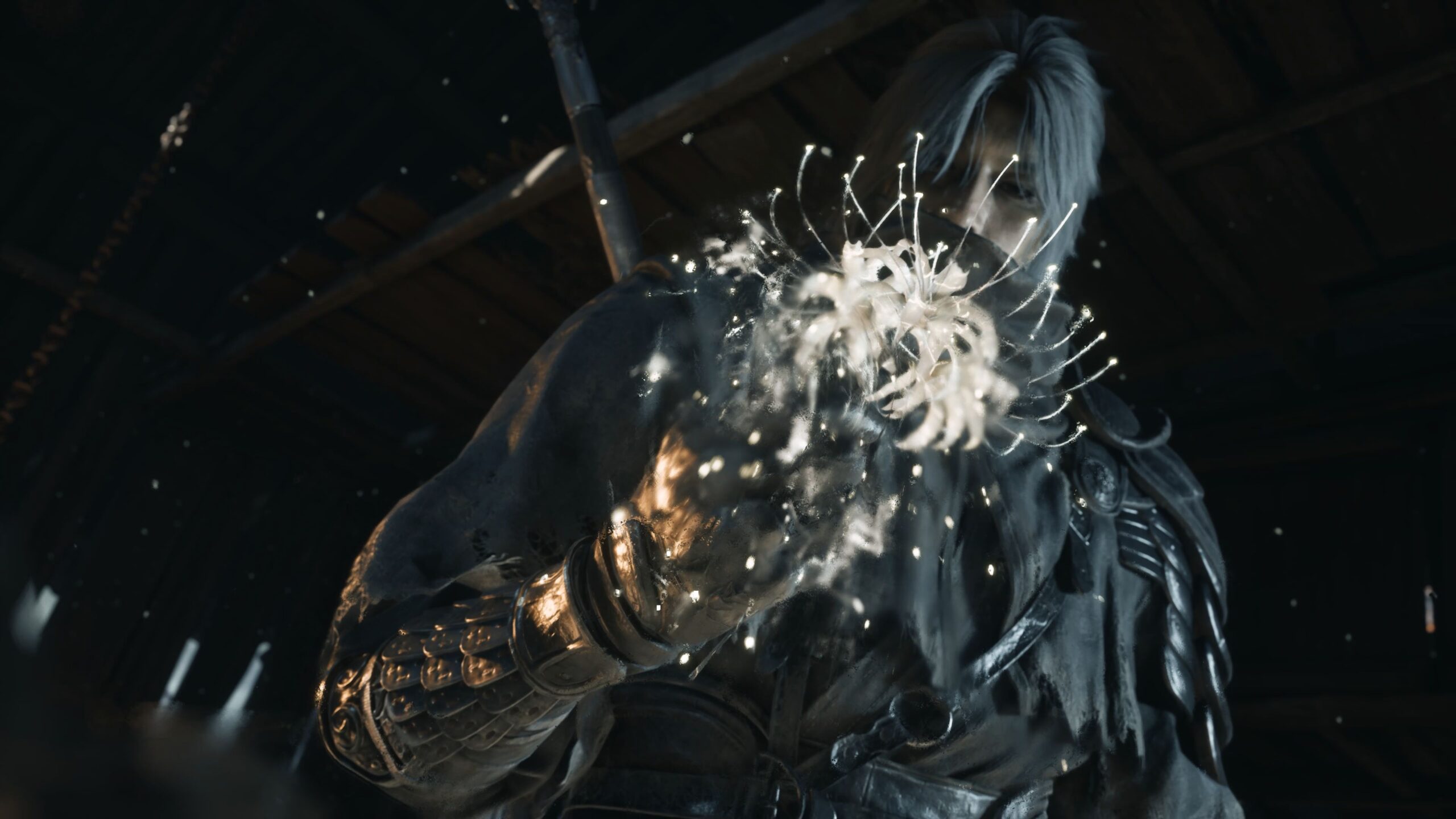
“Performance drops were noticeable in Pangzhen, very likely due to rain effects and increased scale, and things became worse (though thankfully not unmanageable) during a specific boss fight.”
If any fundamental issues exist with the combat, it’s actually the weapon leveling. You can level up any weapon to 10 with the requisite materials, and revert it at any point to refund any spent materials. Given how limited materials are early on, and how you’ll want to experiment with different weapons, this is all well and good.
But past level 10, Talismans will be required to reset any weapon – post level 20, you’ll need two. Even in the mid-to-late game when materials and currency practically rain from the skies (if you’re exploration-minded, of course), so you’re free to upgrade a wider range of weapons, the Talismans feel unnecessary. I would also appreciate a loadout feature to quickly switch to saved sets of weapons, Phantom Edges and accessories for certain situations. Thankfully, at least S-Game has a method to keep all your weapons relevant as you progress deeper into the game.
As for my other grievances, many of them revolve around polish. The odd horse-back boss inexplicably Skyrim-climbing on the environment before getting back into the fight, or enemies rarely getting stuck on terrain, were notable but not enough to really drag my impressions down. Neither would the noticeable pop-in for larger environments, ghosting on the edge of faces in cinematics or a few low-resolution environmental textures (don’t look behind the waterfalls).
Instead, it’s a litany of other things. After surviving a life-or-death skirmish against regular foes, you’ll discover a lone foot soldier, still walking around without a care in the world. How did he ignore the earlier turmoil? Probably through the same technique as the enemies who forget Soul is even around as they return to their regularly scheduled loitering, letting you freely execute them from behind. I’m all for the help, especially against overwhelming odds, but this happened enough times to go beyond bizarre and straight into hilarity.
Phantom Blade Zero’s fidelity can sometimes also be its own worst enemy. Performance drops were noticeable in Pangzhen, very likely due to rain effects and increased scale, and things became worse (though thankfully not unmanageable) during a specific boss fight. Which is still better than the occasional one-second freezes that could occur during combat in Meigu Lake. Or sometimes getting stuck on certain environmental objects. It’s one thing if I’m in a camp and backed into the corner of a cart or barricade while enemies wail on me, but on the roof of a building, to the point where jumping over to its other sloping side felt near-impossible?
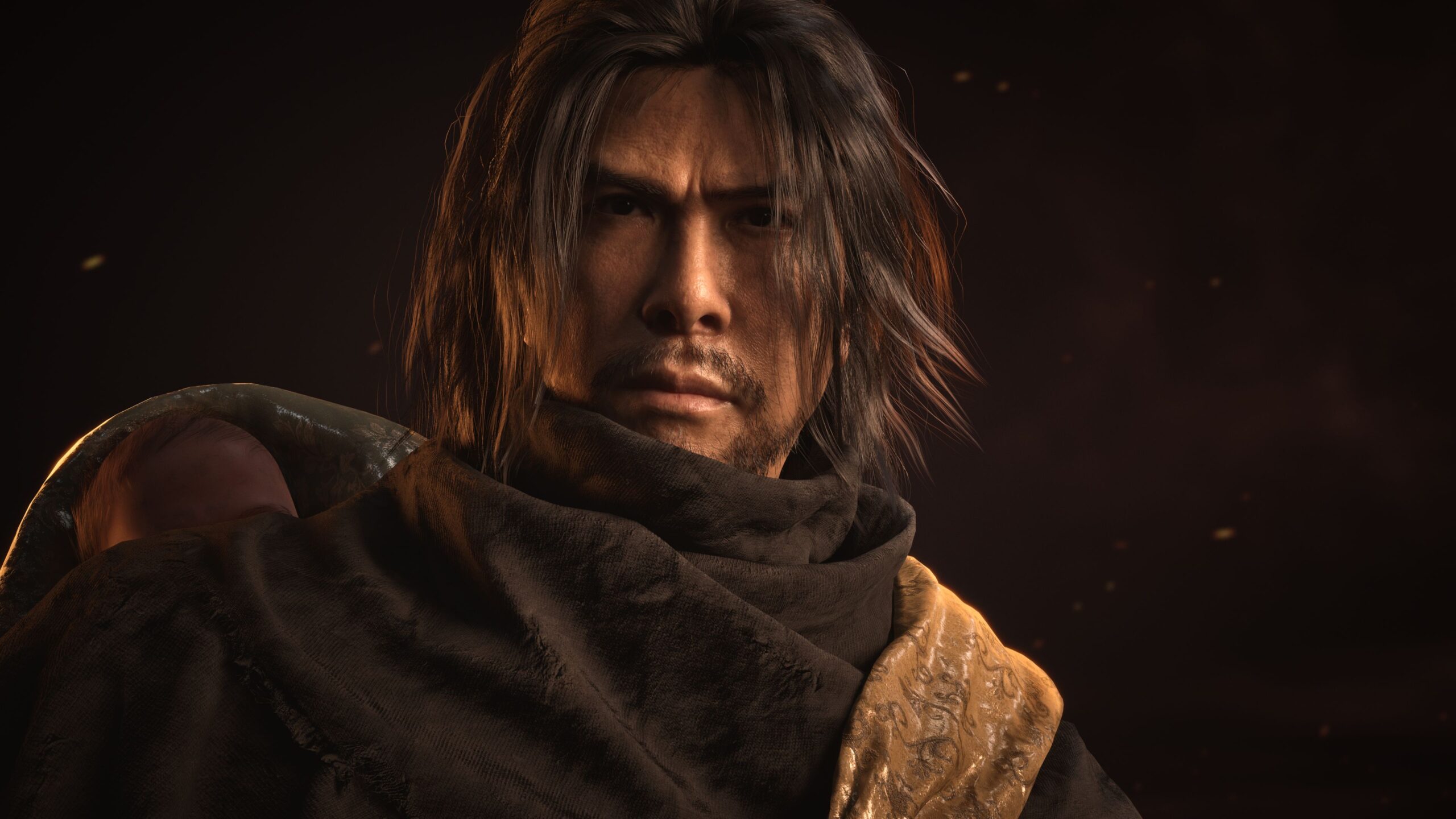
“It excels in everything fans of fast-paced, hack-and-slash action RPG combat could want, while packing in plenty of fun exploration, interesting characters, and a fully-realised, dark wuxia world that teeters on the brink of hope and destruction.”
Even with some technical snafus, I feel like I haven’t said enough about how great Phantom Blade Zero looks. Or runs, for that matter, with silky smooth 60 FPS throughout many of my hours, that too on base PS5. But as gorgeous as the environments can look, or as clean and crisp, the attention to detail is something else. Several interiors are lavishly decorated, right down to teacups, scattered papers, and still-burning incense, not to mention the intricate furniture. Even the damage to various buildings feels deliberate yet natural. Every single note is meticulously crafted, and no amount of words can describe how fluid the animation work is.
The music more than matches it, though. As great as the traditional Chinese compositions sound – the lion dance theme is one of many standouts – the mixing of different genres really takes the cake. One boss phase offered up some truly fitting rock. Another threw in techno. Of course, the background music in each location is also excellent, whether traversing seemingly innocuous isles or facing trouble in Pangzhen’s back streets.
So yes, Phantom Blade Zero lives up to the hype, even if certain issues and shortcomings keep it from being the perfect total package. But aside from S-Game further polishing the game and fixing any lingering issues, it excels in everything fans of fast-paced, hack-and-slash action RPG combat could want, while packing in plenty of fun exploration, interesting characters, and a fully-realised, dark wuxia world that teeters on the brink of hope and destruction.
I can’t say whether it’s for everyone or the best way to pass the time until November’s big releases. But when faced with such unbridled quality and attention to detail and some of the best boss battles you’ll experience all year (if not the past several), such trifles ultimately fade into the background en route to the path of mastery.
This game was reviewed on PlayStation 5.