Microsoft‘s latest quarterly financial results are in, and they do not paint a pretty picture for how the company’s gaming division is doing. A massive 32% drop in Xbox revenue is joined by a 5% drop in Xbox content and services revenue, and overall, the company has seen a 9% drop in gaming revenue. This all adds up to its overarching More Personal Computing division seeing a 3% drop in revenue, despite positive news on the PC and Windows fronts.
As you might expect, Microsoft isn’t struggling elsewhere, with overall revenue up 17% and a hefty 26% increase in revenue for its cloud computing division. There’s no word on just how much or how little the company’s AI endeavors are bringing in, but, for now, it’s clear that Xbox in particular isn’t proving to be a major money maker.
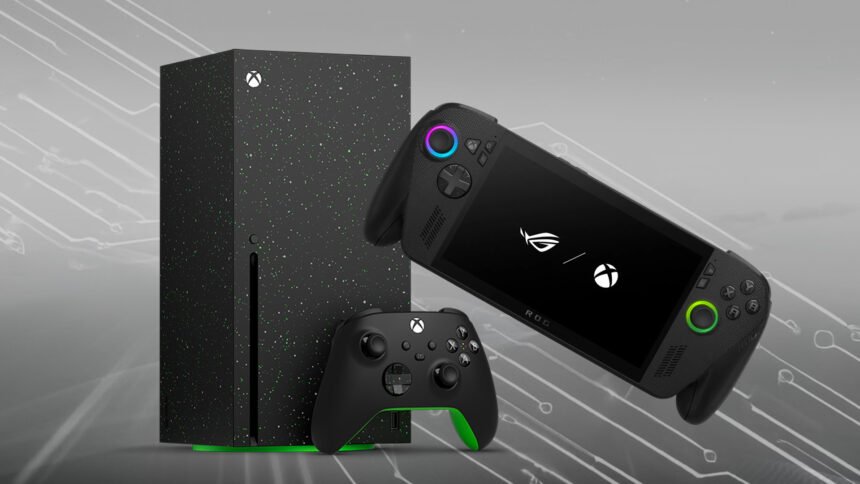
News of the Xbox division’s decline likely won’t come as a surprise to many, as Microsoft has skipped a mid-gen update for its main consoles and even increased the price of them recently. Indeed, sales of its consoles have been dropping for two years straight. Meanwhile, the much-hyped launch of the Xbox Ally X gaming handheld last year proved to be less about a revolution in portable Xbox gaming and more just an ROG Ally X update with a reskin and a high price tag.
Meanwhile, a 50% price hike to its Game Pass service has, anecdotally, put off many buyers from continuing to use the service. As one commenter over on The Verge put it, “At $30/month it’s like buying one full-priced game every other month which is WAY more than I’ve ever spent. They could have kept me at like $20/month and I wouldn’t have even thought about it.”
While some of this decline will be seen as a direct result of these more recent factors, it’s also worth noting that Xbox revenue has fallen for three financial years in a row. The last three quarters have seen over 20% drops in revenue, and you have to go back to Q1 2023 to find the last time the Xbox division saw an increase in revenue.
Despite this grim reading for Microsoft, there was some positivity for its PC division in general. Microsoft reports that its Windows OEM and Devices division actually saw a 1% rise in revenue year-on-year. What’s more, Windows 11 hit the milestone of one billion users this quarter, which is a rise of 45% year-on-year. In fact, this actually has Windows 11 reaching this figure faster than Windows 10, though the dropping of support for Windows 10 last year no doubt forced many users’ hands to make the switch.
Notable by its absence in these latest financial figures is a breakdown of AI-related revenue. However, it does note $37.5 billion in capital expenditure, which is likely to be due to the cost of building data centers. If you wondered just why GPUs, RAM, and SSDs were getting so expensive and tricky to obtain, there are $37.5 billion reasons why.