
If you’re waiting to see what the fuss around The Witcher 3 Remastered is all about, having somehow missed the original release, its expansions, and the next-gen update that came out a while ago, we can only envy you. You’re diving into a game that many of us wish we could forget about, just so we can experience it again.
However, a lot of that experience has come with its own lessons that we had to learn the hard way, which generally didn’t end well for Geralt at the time. If you’re looking for the perfect start and want to ensure that Geralt survives long enough to reunite with Ciri, we’ve got a few things for you to keep in mind as you play. Let’s go!
1. White Orchard Is A Great Place To Farm Out Those Early Levels
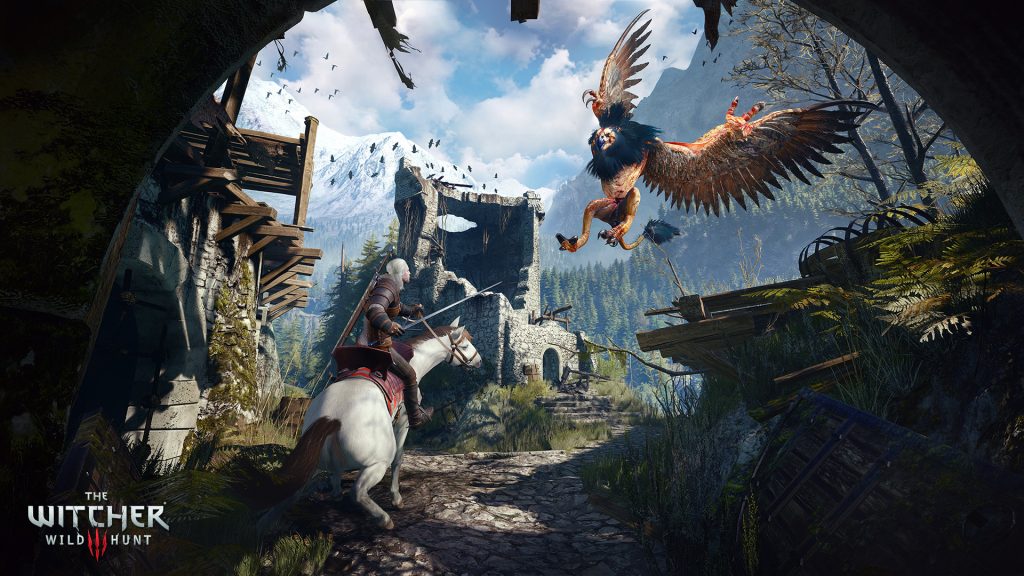
If you’ve happened to even glance at the world map in The Witcher 3, you know that it comes with an astounding number of things to check out and engage with. It’s a good idea to hold off on fighting that Griffin from the game’s opening until you’ve discovered everything you possibly can in the area.
Helping an old lady retrieve a saucepan, or hunting for a man’s brother’s remains in a field of necrophage-infested corpses might not seem fitting for a Witcher, but the experience those early quests net you is nothing to be scoffed at. At the very least, it should help you get to the level requirement you need to don the free armor Yen gives you in Vizima. Just remember to check the chest in her room after you meet with Emhyr, or come back to it later in case you forget.
2. Don’t Ignore Places of Power
Places of Power continue to remain among the most important collectibles on the map, as visiting and meditating at each one gives Geralt a temporary buff at random, and a permanent free ability point that you can then use to get a build going quite quickly thanks to the new skill tree layouts.
White Orchard’s got six of them, and if you factor in all the potential fights and treasures you’re going to find along the way as you uncover them, you’re going to have quite a few skills and mutagens at your disposal by the time you’re done.
3. Check Quest Levels First
Remastered might have made Geralt faster in combat, but that’s no reason to bite off more than you can chew, especially in the early hours when he’s quite squishy and can go down in a few hits. You’re going to take damage in a fight no matter how good you are at dodging and parrying. Quen can only get you so far in terms of survivability.
It’s a good idea to use your Journal and the World Map’s new Quest filter to check on objectives on quests, and to look at whether the danger’s worth the time you take in trying to fulfil them. You could get away with a fetch-and-carry mission if you’re desperate for money or XP, but any quest where there’s a fight against enemies with red skulls against their health bars is a huge no-no until you find some good gear and abilities.
4. The Main Story Can Wait
Ciri isn’t going anywhere, at least until you find out everything about where she’s been and what she was up to across Velen, Novigrad, and Skellige. That leaves Geralt with a lot of time to chase down every little thing that catches his attention. It’s an open world design language that encourages you to take on as much as you can manage, and then some.
Some of the game’s best moments come from taking on Contracts to kill deadly monsters, or chasing down unique storylines for the supporting cast of characters, of whom there are many. At the very least, you’re going to want to take on a few Contracts so you can quickly rack up the Crowns you need to pay your way to Skellige. Anything above that value is a bonus and can be spent as you please.
5. Do Your Homework Before Fighting A Monster
Vesemir warns Ciri about the importance of knowledge in a Witcher’s line of work, and his words apply to Geralt as well. Sure, you can just weave and slash at a monster until you wear it down, but any blade master can manage that with the mutations, right?
You’re going to want to read up on anything that the monster is weak to, using those advantages to ensure the odds are ever in your favor. Moreover, you’re going to want to craft bombs of different varieties, as you need them to force some monsters out of hiding and to shut down any monster nests you find. An early Contract even requires you to use a bomb to lure the monster out of hiding for you to take it on.
6. Negotiate Your Fees
When you take on Contracts, one of the ways The Witcher 3 puts a unique twist on things is in the ability to negotiate how much you’re getting paid. Yes, things are hard all around in The Continent, but a Witcher’s gotta eat, right? You’re going to need a lot of Crowns if you plan to rock a legendary set of Witcher armor eventually, so getting as much as you can from your work is very important.
As a rule of thumb, going twenty to twenty-five crowns above what an NPC proposes should be safe to do, although you could always gauge their reactions and decide on a lower value if needed.
7. Dodge With Intent
Spamming attacks and dodges is only going to get you so far against tougher opponents, and using your dodges well is going to help you sustain your shields for when you actually make a mistake, while leaving you stamina to keep using your signs to turn the tide.
To that end, it’s a solid rule of thumb to wait out enemy attacks and dodge out of the way before responding with a counterattack. Try to position yourself at the flank or behind an enemy so they have to turn to you, which lets you get a few extra attacks or perhaps even a quick cast in before you go back to baiting attacks. Against human foes, parries end fights faster than dodges.
8. Oils Are An Easy Advantage

Remember when we told you about your bestiary and the potential benefits it brings to any effort to bring down a vicious monster. Well, one of those benefits is that it highlights specific oils that a monster is weak to, and we can tell you that those do quite a bit of damage if they’re on your blade.
It’s definitely worth seeking out the ingredients you need to make them, and the good part is that there’s a dearth of information online if you run into any problems, given how long the game’s been around.
9. Craft Those Potions ASAP
You should consider crafting any new potions as early as you can manage, since any of them you have equipped automatically replenish in your inventory every time you meditate as long as you have the supplies for them. You’re going to be doing a lot of meditating anyway, so having the ones you need on hand at all times is never a bad thing.
Just like oils, these potions can confer advantages that could mean the difference between life and death in a hard encounter. There’s a reason the game pushes the mechanic not once, but twice, in the early game.
10. Upgrade Your Alchemy Recipes
It’s definitely worth seeking out the Enhanced and Superior variants of any potions or other mixtures you can concoct, improving on the effects they bestow in the process.
Potions and the like remain very useful well into the endgame, and having ones that are just better at what they do is going to make it quite easy for Geralt, no matter how formidable the challenge he faces currently is.
11. Grab Witcher Gear Early
The new revamped skill tree means that you can get working on a build quite early on in the game. To that end, it makes sense to check up on all the available Witcher armor pieces you can track down and see which one suits your playstyle best.
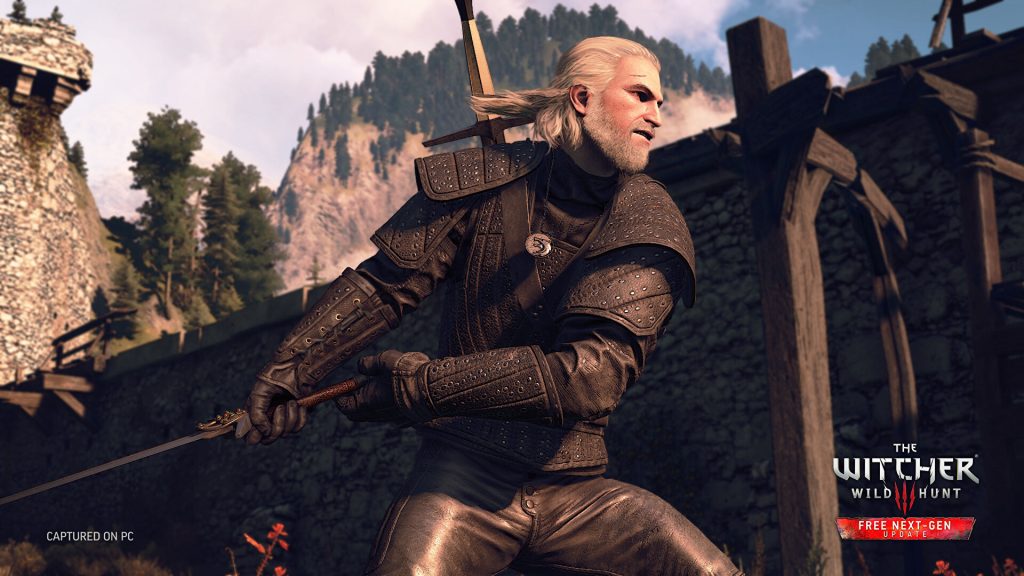
We’re particularly fond of the Viper set this time around, given how the Alchemy part of the new skill tree has a lot of cool stuff around poison builds, and the damage over time that you can trigger looks quite nifty. It’s a good idea to find a set you like and stick to it, investing in consistent upgrades over time while you play around with its looks using the new transmog function.
12. Buy Maps And Read Notice Boards

Maps and Notice Boards should be among the main things you chase down if you’re in a new area, as they often lead you to interesting quests, treasures, or points of interest. Notice Boards are a great place to begin looking for Contracts in the vicinity, and they can even send you towards other interesting quests like fistfights for you to take part in, or even races.
All of these activities are great sources of money and XP when you’re in a pinch, so it’s a great idea to do, as a Witcher does, and seek out some honest work from time to time. You’ll soon find you’ve got enough money to warrant a visit from a tax collector. No, we’re not kidding.
13. Repair Your Equipment Regularly
A Witcher’s blades are among his most potent tools, as is the armor that lets him absorb hits that would fell any mortal combatant. Keeping your gear in fighting shape is a huge part of succeeding, and you’re going to want to stock up on repair kits to use out in the field when there’s no blacksmith for miles in any direction.
You could also turn off the damage system using the newly added accessibility feature, but we can’t see ourselves on The Path without taking the time to maintain our weapons and armor as we go about our business.
14. Manage Your Capacity
Like many open worlds, you’re encouraged to loot anything that isn’t nailed down in the game, although you want to be discreet about it if there are others around to call you out on the habit. However, that means your inventory is going to fill up quite quickly if you’re not careful.
Investing in saddlebags for Roach and making effective use of your Stash whenever you can access it is going to save you a lot of trouble from moments where you’re forced to drop a few things or have Geralt walk along at an agonizingly slow pace until you can find a merchant to sell off some stuff.
15. Save Often, and Smartly
It’s a good idea to manually save your game before you trigger an important conversation, as things are quite unpredictable in The Continent, and something you say could easily lead to consequences you didn’t account for.
Save scumming is definitely a strategy in a title where the results of your choices could mean a very grim fate for a character you care about, and things can even unfold after many hours of playing other quests. Having the option to try turning things around is definitely welcome, especially if you’re only planning one playthrough of the game from start to finish.
And that’s a wrap on our tips to make your time in The Continent a lot smoother than when we first set out of White Orchard. We hope you enjoy your time in that world as much as we did, and perhaps even have more success as a new Witcher thanks to our sage advice.